Need emergency tree removal in Lansdale?
Describe your tree, ask a question or request an estimate. A provider from our network can follow up with a written quote. No obligation.
No obligation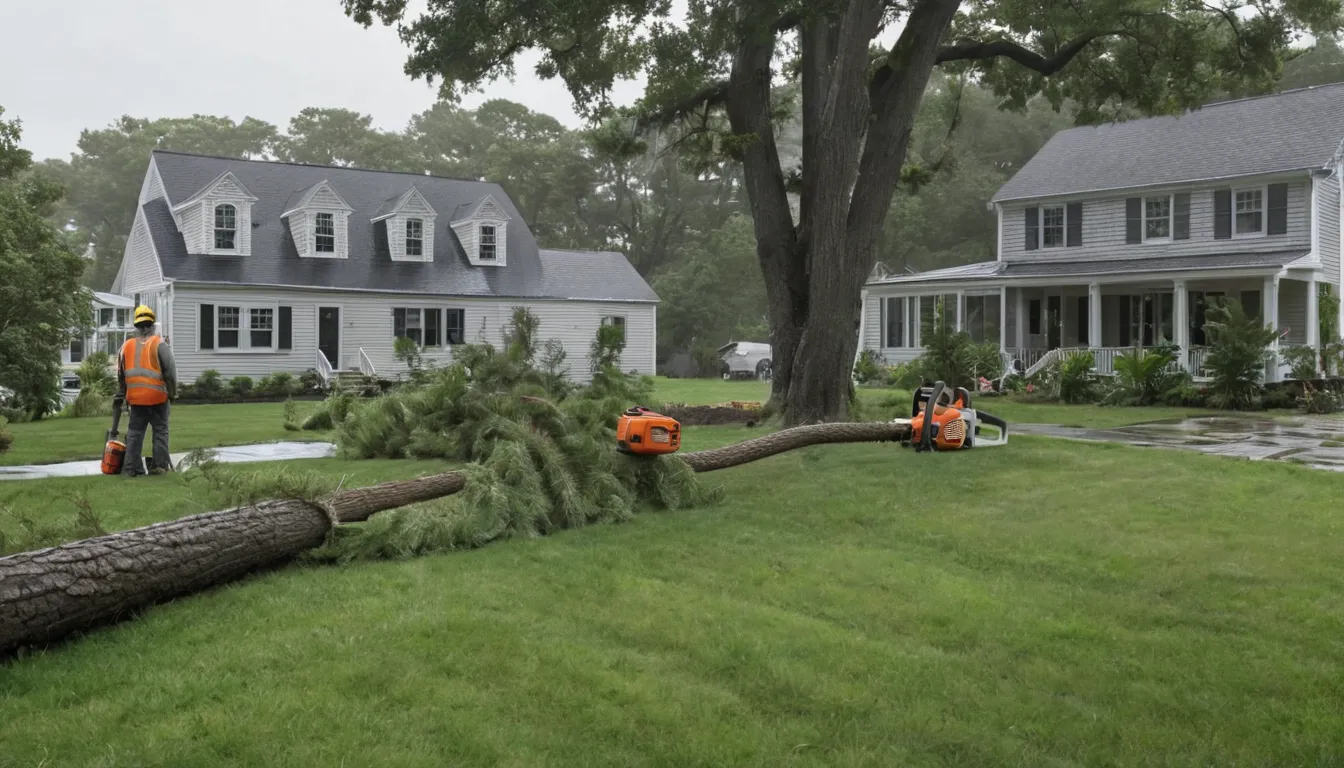
A tree on your roof, fence or driveway changes your whole day. This page walks you through what to do first, what to leave alone, and what an emergency job usually involves. You will also see what pushes the price up or down, so the number on the quote makes sense.
Improvementsbelieves Tree Service is a referral service. It does not cut, lift or haul anything. It connects homeowners in Lansdale and the Lansdale area with independent local providers who handle storm tree clearance and fallen tree removal. Request a callback to check provider availability, or request an estimate and compare what comes back. Hours and wait times vary by provider and by how bad the weather was. You decide, with no obligation.
A fallen tree looks like a job for your saw. Most of the time, it is not. Stay back, keep kids and pets inside, and treat every limb as if it is under load.
Look from a safe distance. Do not walk up to the tree to get a closer view.
Some tree trouble can wait for a regular appointment. Some cannot.
A branch lying on an open lawn, touching nothing, is usually not urgent. Take photos and add it to the list.
You can do plenty. Move cars out of reach. Rake and bag twigs that are far from the tree. Take clear photos from several angles for your records. Mark off the area with rope or cones.
You can also hand-carry small, loose branches that are lying flat, well away from any wire. Wear gloves and sturdy boots.
Stop when a limb is bent, pinned or twisted. It can snap back hard. Stop when the tree is on a roof, near a wire or above shoulder height. Stop when you would need a ladder and a running saw at the same time. That is where a provider's rigging and training matter.
Most providers start by walking the site and spotting the hazards. Next they secure the area, then cut the tree into sections from the top or the edge. Heavy pieces are lowered with ropes or lifted with a crane. Then the wood is hauled off or left in rounds, depending on your quote.
Some providers also run a tree falling service for trees that are still standing but clearly unsafe. Ask about that if a tree is leaning over your house.
Size comes first. After that, ask where the tree landed. A trunk on open grass is far simpler than one across a roof. Tight access, nearby wires, a need for a crane, and the amount of debris all push the number up. Storm demand can also raise prices in your area.
A spoken number can drift. A written quote lists the scope, the cleanup, and the total. Check that it says who hauls the wood, whether stump work is included, and what happens if the job turns out bigger.
Even in a rush, two numbers beat one. Ask for an estimate from more than one provider if you can. Be wary of anyone who pressures you to sign on the spot or asks for full payment before work starts.
Some policies may cover sudden damage from a fallen tree, but terms differ. Check your policy before you decide anything. Providers can often help document damage for a claim, so ask for itemized paperwork and keep your photos.
Expect a busy line. After heavy wind, ice or coastal storms, many providers have a long list of calls. Many can respond quickly, but timing varies.
The first visit is often a make-safe job: removing the weight off the roof or clearing the driveway. Full cleanup may come later. In older homes with stone or block foundations, tell the provider about any cracks or damage near the roots.
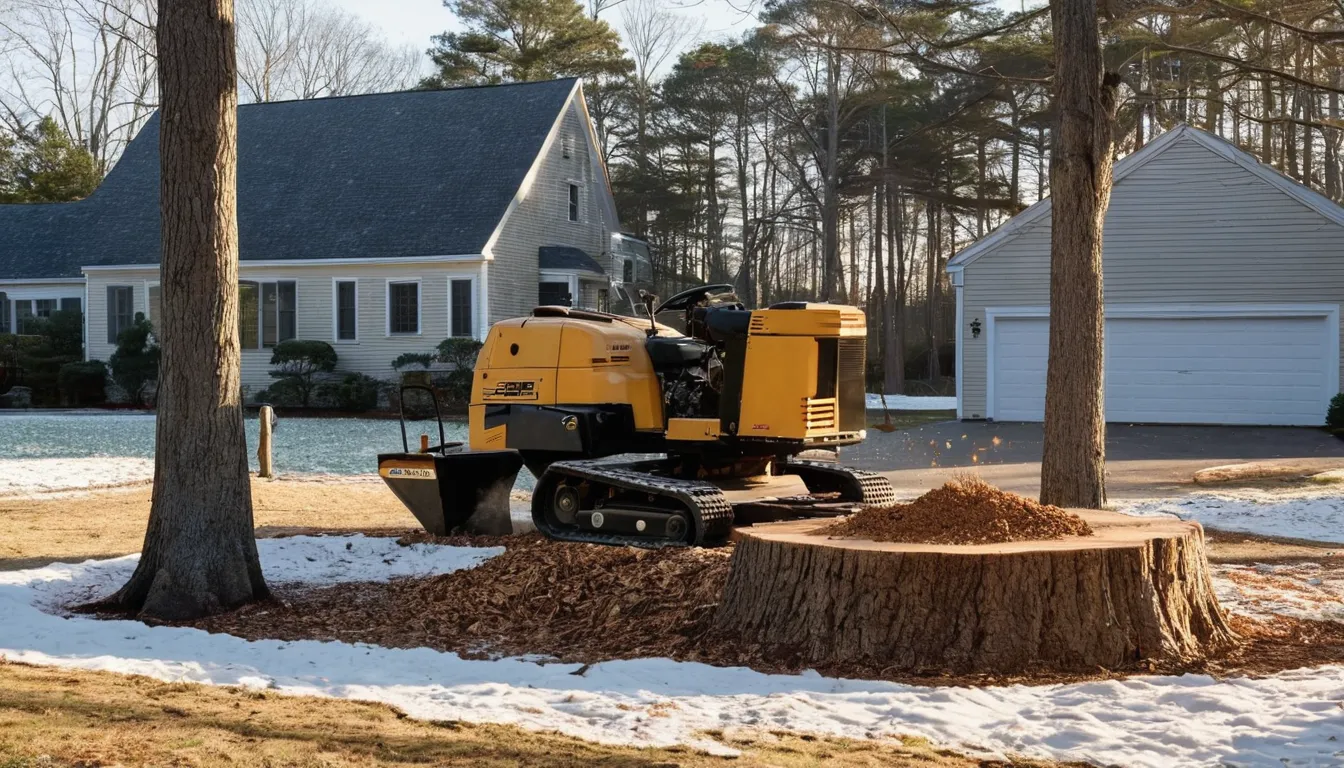
Once the trunk is gone, a stump may remain. Stump grinding is a separate job with its own price. You can ask providers to add it to the written quote.
Walk your yard each fall. Look for dead limbs, cracks, mushrooms at the base and trees that lean more than last year. Freeze-thaw cycles and heavy wet snow can strain weak wood. Trim branches back from the roof and wires. Catching a problem early usually costs less than a rescue job.
Improvementsbelieves Tree Service is a referral service. It does not do the tree work. It connects you with independent local providers, and you compare, then decide.
Providers cut and clear trees that landed on roofs, fences, cars and driveways.
Broken limbs and tangled debris after wind, ice or coastal storms get cut and hauled.
Leaning or split trees that threaten your home can be taken down in controlled sections.
Ask for hauling, chipping or leaving wood rounds, all listed on your quote.
These are typical U.S. ranges. Your price depends on tree size, access, damage and timing. Get a written quote before any work starts, and compare more than one.
| Item | Typical range | Notes |
|---|---|---|
| Small tree down in open yard | $300 – $900 | Easy access keeps the price low |
| Medium tree off a fence or driveway | $500 – $1,500 | Depends on size and cleanup |
| Large tree on a roof or house | $1,500 – $5,000 | Rigging and care add time |
| Crane-assisted removal | $1,500 – $4,500 | Often an add-on for heavy trunks |
| Storm limb and debris cleanup | $200 – $1,000 | Varies by volume and hauling |
| Stump grinding add-on | $150 – $600 | Priced by stump width |
Stay back, keep people clear, and report any downed power lines or gas smells to the utility.
Request a callback to check provider availability, or send the estimate form.
Review the written quote, scope and cleanup, then pick a provider.
The provider secures the site, cuts the tree and clears the debris.
We explain what drives the price so you can read a written quote with confidence.
Local providers in our network do the cutting, not Improvementsbelieves Tree Service.
Look at more than one estimate and pick what fits your yard.
Requesting an estimate carries no obligation. You choose if and when.
Describe your tree, ask a question or request an estimate. A provider from our network can follow up with a written quote. No obligation.
No obligationKeep everyone clear of the tree and any wires first. Then request a callback to check provider availability, or request an estimate. A local provider can assess the damage and secure the tree.
Typical U.S. prices run from a few hundred dollars for a small tree in open space to several thousand when a tree is on a roof or needs a crane. Always get a written quote before work begins.
Some policies may cover sudden damage from a fallen tree, but terms and limits differ. Check your policy and talk to your insurer. Providers can often help document damage for a claim, so keep your photos and paperwork.
Describe your tree, ask a question or request an estimate. A provider from our network can follow up with a written quote. No obligation.
No obligation